
Lab Grown
Lab-Grown Diamonds
A closer look at the sparkle
6 min read
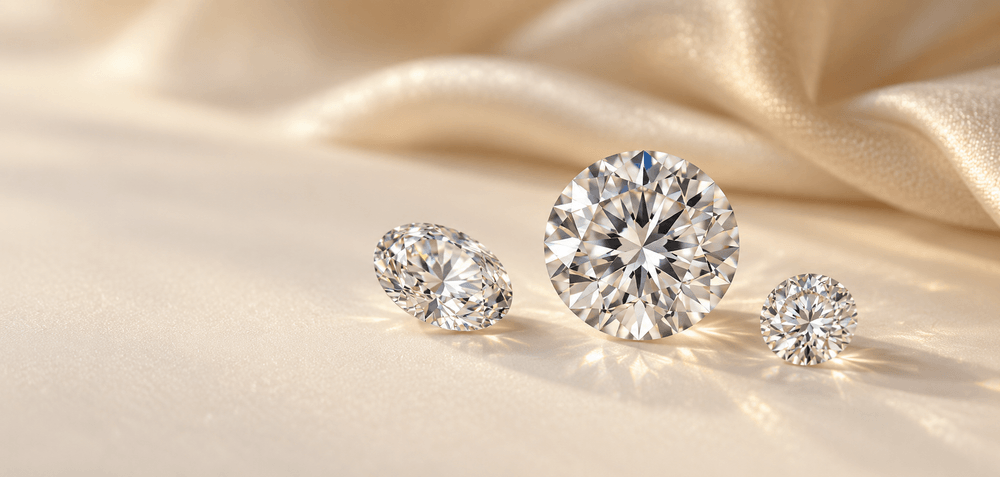
Beauty begins with understanding
Learn about lab-grown diamonds, their characteristics and the details to compare. A lab-grown diamond is a real diamond — the difference is where it formed, which is why disclosure and a clear grading report matter.
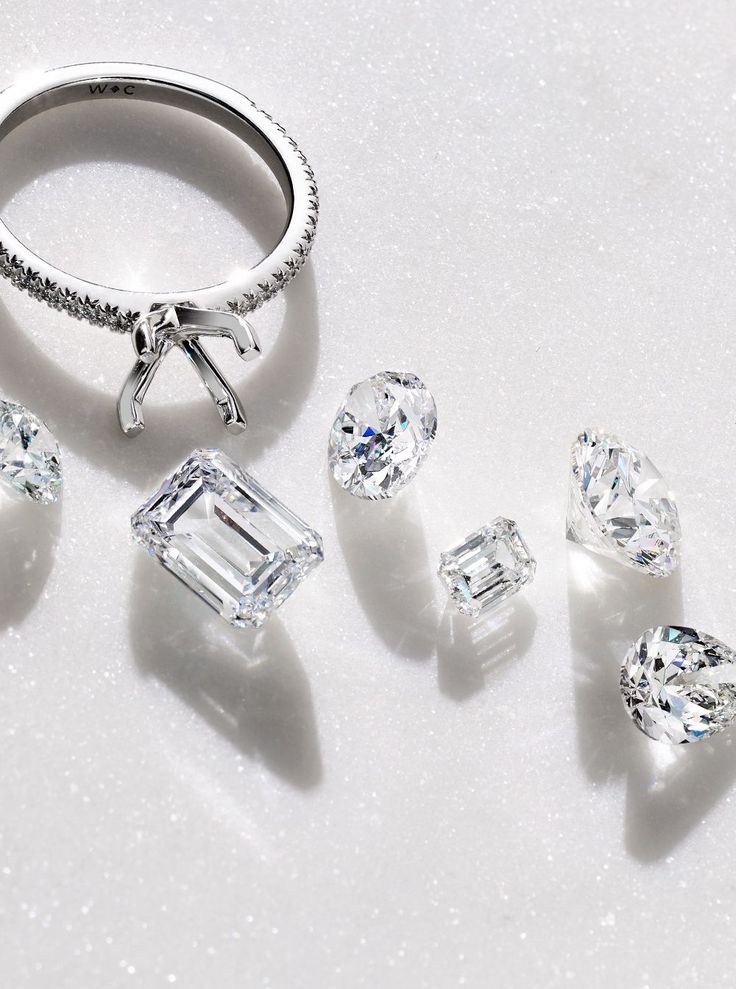
01 / How they are grown
Lab-grown diamonds form in controlled environments using specialised processes.
Lab-grown diamonds are made by recreating, in a controlled environment, the conditions that let carbon crystallise as diamond. Two methods are used.
Once grown, the rough crystal is cut and polished in the same way as a mined diamond. Some stones also receive a post-growth treatment to improve their colour, which a grading report should disclose.
- HPHT
- High pressure, high temperature — a small diamond seed is placed with carbon in a press that applies very high pressure and heat until diamond crystallises.
- CVD
- Chemical vapour deposition — carbon-rich gas is broken down in a chamber and carbon atoms build up, layer by layer, on a diamond seed plate.
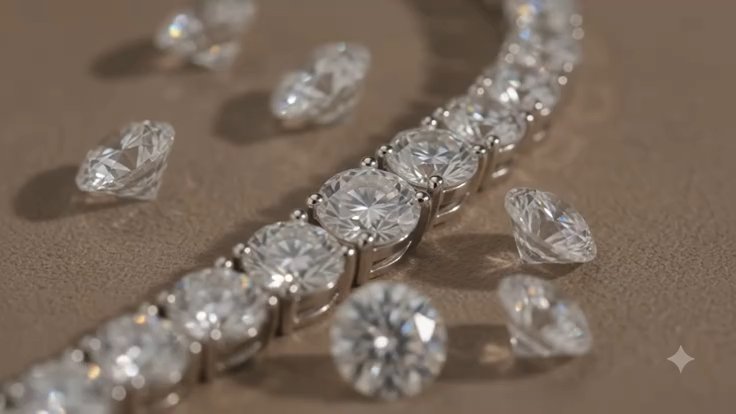
02 / Diamond characteristics
They share the crystal structure and chemical composition of natural diamonds.
A lab-grown diamond is crystallised carbon with the same structure as a diamond formed in the earth, so it has the same hardness, brilliance and fire. It is not a simulant such as cubic zirconia or moissanite, which are different materials.
Because the two look the same to the eye, telling them apart takes specialist laboratory equipment. That is why origin is disclosed on the grading report rather than judged by appearance.
Lab-grown diamonds vary in quality just as mined diamonds do, so each one is graded individually for cut, colour, clarity and carat.
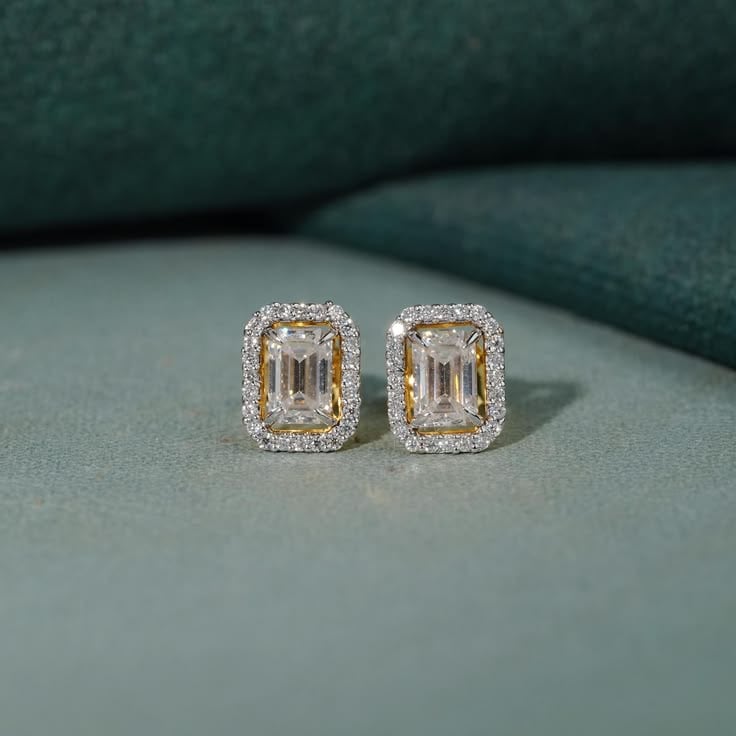
03 / Read the grading report
Compare cut, colour, clarity and carat, and confirm how the diamond is identified.
Independent laboratories such as IGI and GIA grade lab-grown diamonds and issue reports that clearly state the stone is laboratory-grown. Reading one works the same way as for any diamond.
- Origin statement
- Confirms the diamond is laboratory-grown; many reports also note the growth method.
- The 4Cs
- Carat weight, colour, clarity and, for round brilliants, cut grade — compare stones on these.
- Treatment
- Any post-growth treatment used to improve colour.
- Inscription
- A laser inscription on the girdle, usually matching the report number, links the stone to its report.
TipLook up the report number on the laboratory's website to confirm the details match the stone you are buying.
04 / Questions to ask
Ask about origin, treatment and the report before you buy.
A good jeweller will answer these clearly and in writing. Environmental impact varies with production methods and energy sources, so if it matters to you, ask the seller for specific information about how and where a stone was produced rather than relying on general claims.
- Is it graded?
- Which laboratory issued the report, and can I see it before buying?
- Has it been treated?
- Was any post-growth treatment used, and is it listed on the report?
- Is it inscribed?
- Does the girdle inscription match the report number?
- Where was it made?
- What can you tell me about the producer, growth method and energy used?
- What is the policy?
- What are the return, exchange and resizing terms for this piece?
Know the details behind your diamond.
Explore Lab-Grown Diamonds